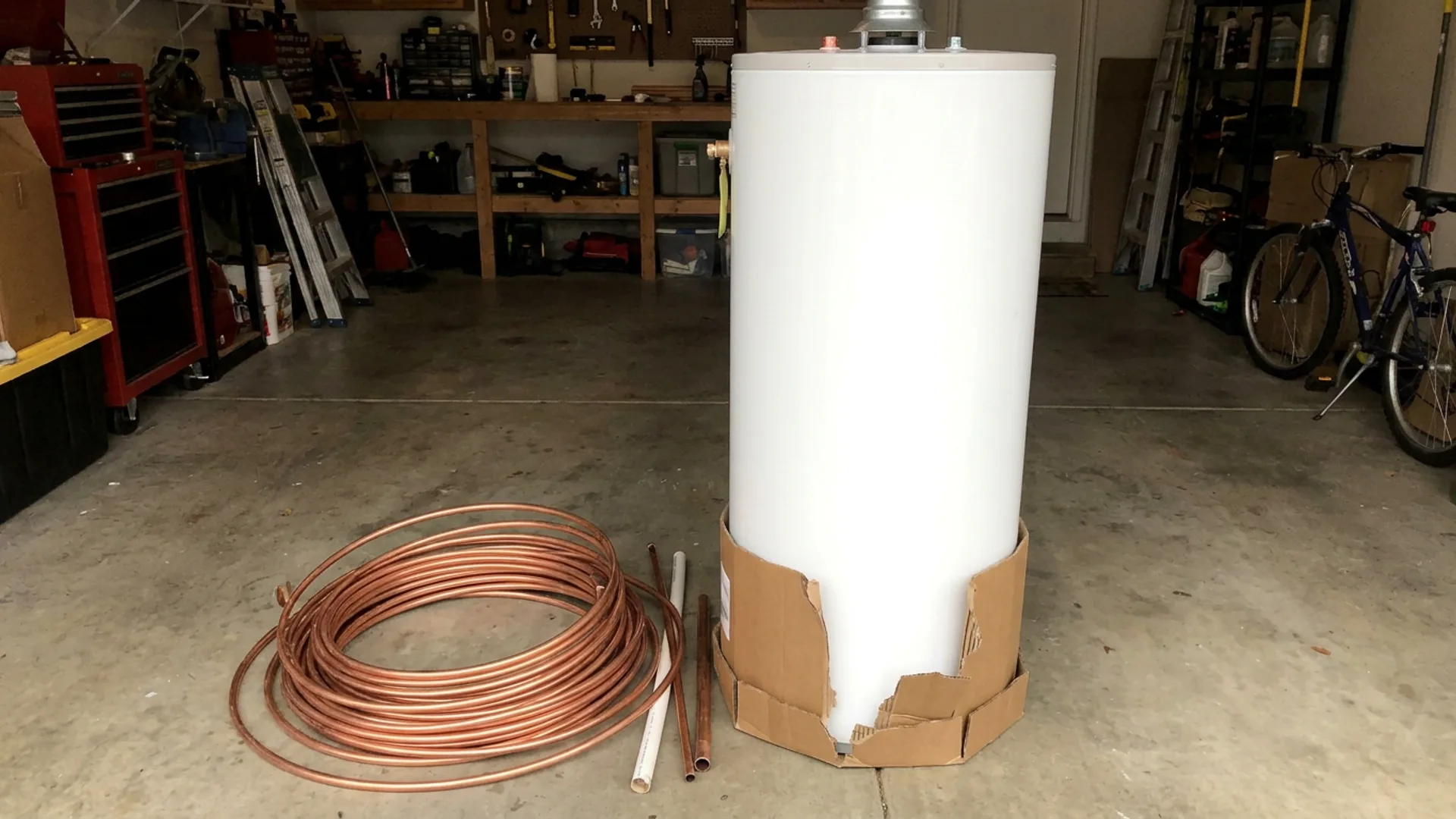
San Antonio, TX & the surrounding area
Water Heater Replacement & Installation in San Antonio
Water Heater Repair San Antonio gets a licensed & insured local plumber to your doorstep for water heater replacement, installation, or repair. Free estimate, no obligation. Call (210) 767-9170.
- Free replacement estimate
- Insured local pro
- No obligation
Free Water Heater Estimate
A no-cost estimate, with no obligation to buy
Licensed, Insured Local Plumber
We connect you with one independent San Antonio-area business
Straight Repair-or-Replace Answers
Know which one you're actually looking at before you decide
If your tank is leaking or you've decided twelve years is enough, here's the number to plan against.
| What you're installing | Fits | Installed cost |
|---|---|---|
| Tank, 40 gallon | 1–2 bathrooms | $2,100 – $2,500 |
| Tank, 50 gallon | 2–3 bathrooms | $2,100 – $2,700 |
| Tank, larger or awkward install | Venting, access, or code work | up to $3,000 |
| Tankless, gas (whole house) | Whole home, high demand | from $4,100 |
| Tankless, electric (whole house) | Needs panel capacity | $2,500 – $4,000 |
| Heat pump / hybrid | Lowest running cost | $2,000 – $3,500 |
Those are Central Texas installed prices for 2026. San Antonio homeowners comparing notes publicly have reported real swap quotes of $2,200 to $2,500, with the unit itself running $675 to $1,200 at retail — which tells you roughly half the bill is labor, fittings, permit, and haul-away.
Be careful with the very low numbers you'll find. Jon Wayne's own San Antonio page quotes a $750 to $3,500 range for standard installation, and Home Depot lists $1,600 to $2,400 for a tank. Both are honest; they're just counting differently. A $750 job is equipment or a bare-bones swap in an easy garage. It is not what a typical replacement with a permit and an expansion tank costs.
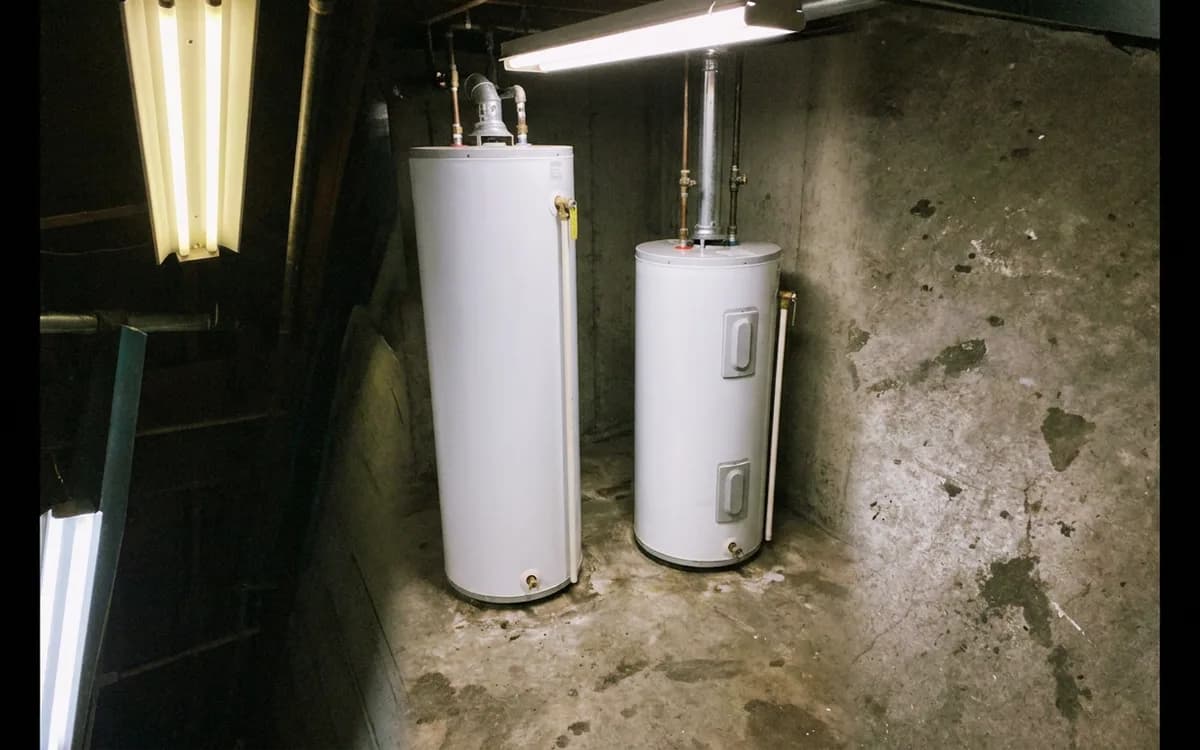
What the price includes, and what it does not
A flat-rate replacement price in this market should have all of this in it: the new water heater, removal and disposal of the old one, all fittings, connections and valves, a new expansion tank where code calls for one, testing, and cleanup.
What sits outside that, and should be quoted before anyone starts:
- Relocating the unit. Moving it from a closet to the garage is a plumbing and venting job, not a swap.
- Fuel or venting changes. Going gas-to-electric or tank-to-tankless changes what has to be run.
- Water or gas line upgrades. A gas tankless commonly needs the line stepped up from half-inch to three-quarter.
- Bringing an older installation up to current code. Common in houses that haven't been touched in twenty years.
None of those are upsells by definition. They're real work. The distinction that matters is whether you heard about them during the estimate or after the old tank was already on the truck.
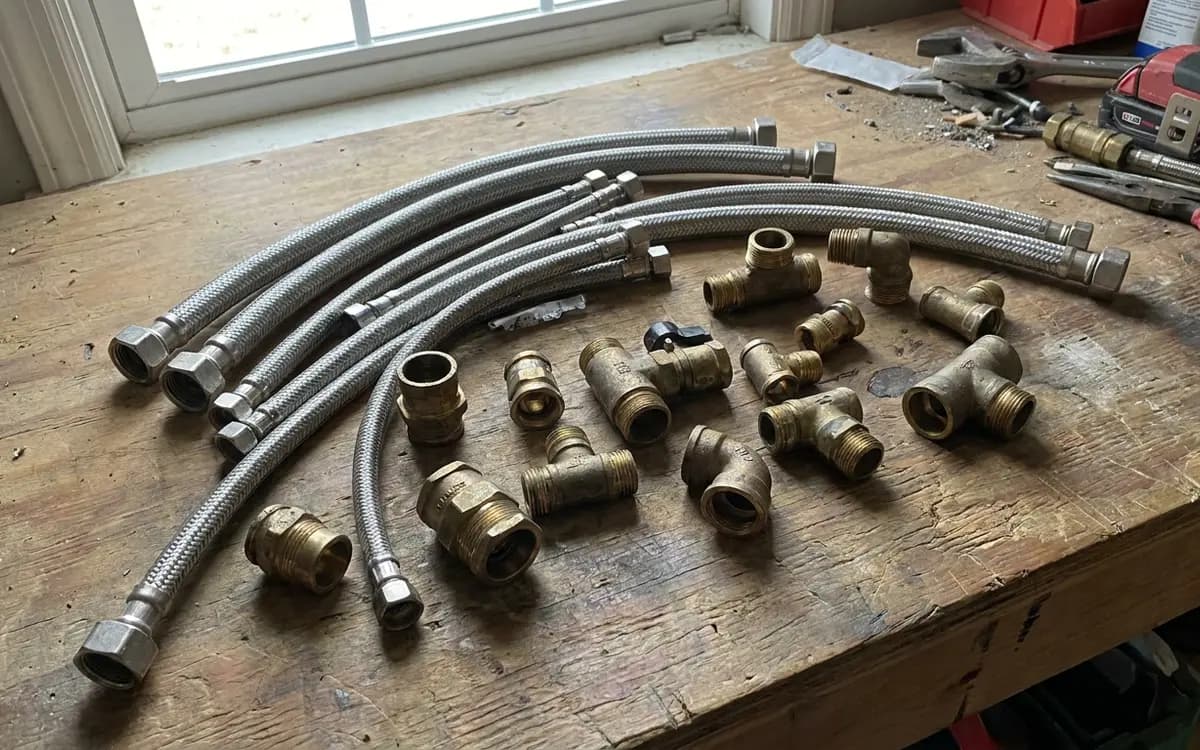
The code work a San Antonio swap triggers
Two things surprise people here.
A permit is required. Water heater replacement is permitted work in San Antonio, and the plumber pulls it. They can only do that if they've registered their state license with the city's Development Services department first — free to register, but it requires current insurance on file with the state board. That registration requirement is quietly one of the better consumer protections in this trade.
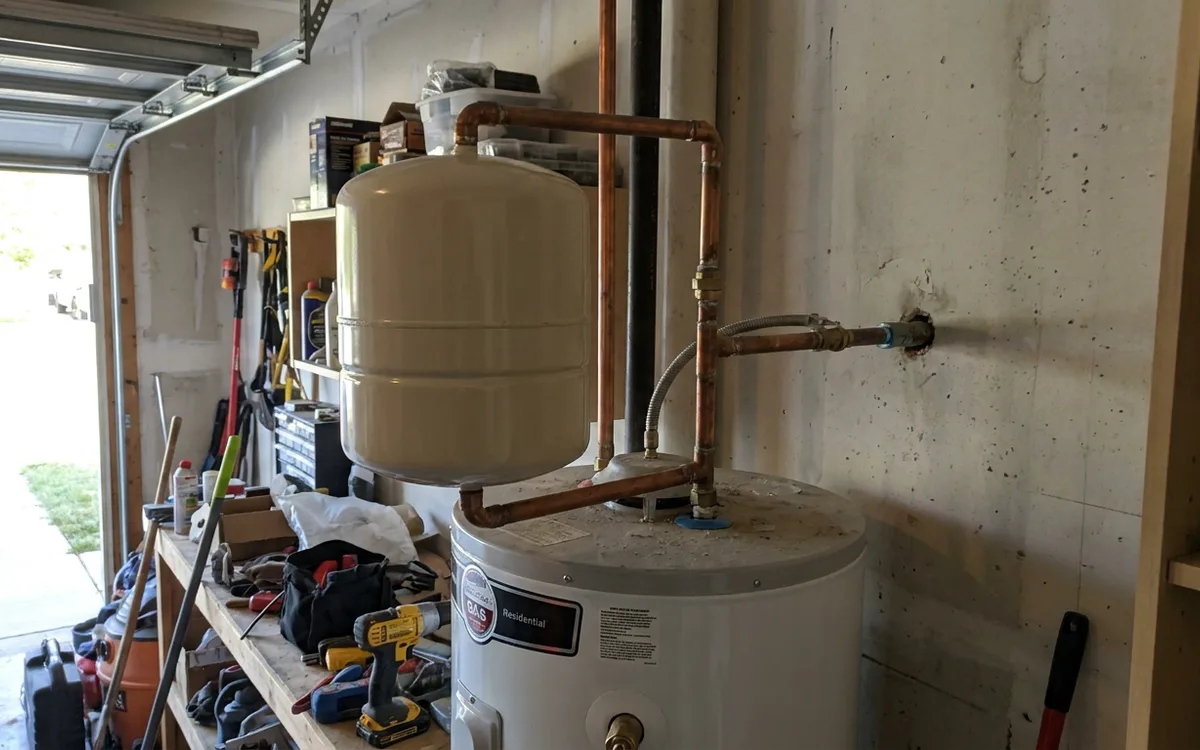
An expansion tank is required by Texas code on a replacement. It's a small pressurized vessel on the cold inlet that gives heated water somewhere to go as it expands. Without one, that pressure works against the relief valve and the tank seams. It's an inexpensive part and it belongs in the quote — if you don't see it, ask.
There's more detail on both in San Antonio water heater permit rules, including what the inspector actually looks at.
Picking a size without overbuying
The honest sizing guidance is simpler than the industry makes it sound:
- 1–2 people: 30–40 gallon tank, or tankless rated 2–3 GPM
- 3–4 people: 40–50 gallon tank, or tankless rated 4–5 GPM
- 5 or more: 50–75 gallon tank, or tankless rated 6+ GPM
Fifty gallons is the most common size in San Antonio homes and handles a family of three or four with normal usage — showers, dishwasher, laundry.
Both directions cost you. Undersize it and you run out of hot water halfway through the second shower. Oversize it and you pay to keep water hot that nobody uses, every hour of every day, for ten years. Our water makes oversizing slightly worse than average, too: more standing volume means more surface for scale to build on.
If you're weighing on-demand instead, tankless water heaters in San Antonio covers the flow rates, the gas line question, and whether hard water makes tankless a bad idea here. Spoiler: it doesn't, but it does mean descaling.
What installation day looks like
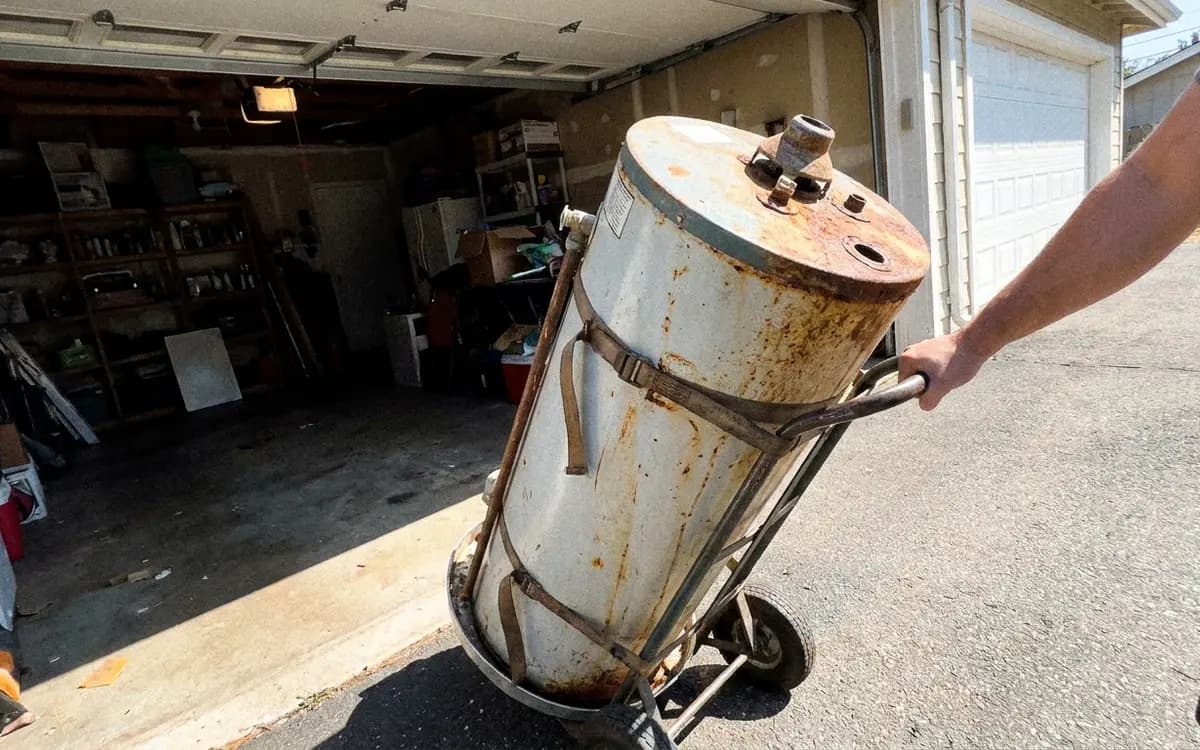
A straight tank swap is a same-day job, usually three to five hours. The plumber shuts off the water and the fuel, drains the old tank, disconnects and removes it, sets the new one, makes up the water and gas or electrical connections, installs the expansion tank if the house needs one, fills, purges the air, and fires it. Then the permit inspection follows.
Two hours in you'll have hot water again. The part worth watching is the connections — a good installer uses new flexible connectors and a new shutoff rather than reusing twenty-year-old fittings to save fifteen dollars.
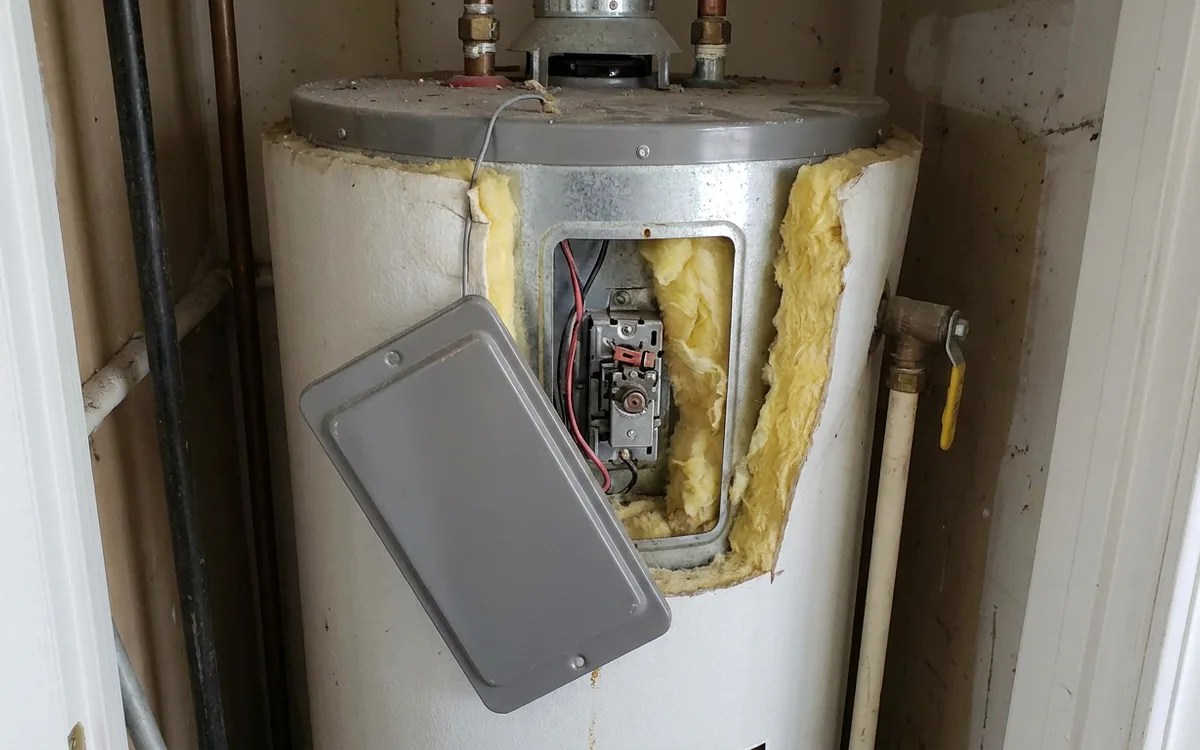
The equipment itself is where the trade vocabulary lives, and it's worth knowing the words before someone uses them on you: the dip tube carries incoming cold water to the bottom of the tank so it doesn't dilute the hot water at the top; the sacrificial anode rod is magnesium or aluminum and corrodes on purpose so the steel tank doesn't; the T&P valve (temperature and pressure relief) is the safety device that opens if either climbs too high; the thermocouple on a gas unit senses whether the pilot is lit and shuts the gas off if it isn't; first-hour rating is how many gallons of hot water the unit can actually deliver in its first hour, which is a more useful number than tank size alone; and standby loss is the energy a tank burns just keeping water hot while you're at work.
Call (210) 767-9170 for a free replacement estimate, or send the form. If you're still deciding whether you need one at all, repair or replace is the better place to start, and the water heater repair cost guide has the full pricing picture.
Questions
Frequently Asked Questions
How much does it cost to replace a water heater in San Antonio?
A 40-gallon tank runs about $2,100 to $2,500 installed in Central Texas and a 50-gallon about $2,100 to $2,700. Complex jobs — venting changes, tight access, code upgrades — reach roughly $3,000. San Antonio homeowners have reported real quotes of $2,200 to $2,500 for a straight swap, which matches. Gas tankless is a different tier, starting around $4,100 installed.
How much should I expect to pay to replace my water heater?
Budget $2,100 to $2,700 for a like-for-like tank swap and treat anything under about $1,500 with suspicion — either the unit is builder-grade, the permit is being skipped, or something isn't in the quote. Jon Wayne publishes a San Antonio installation range of $750 to $3,500, and the low end of that is equipment-only or a very simple job, not a typical installed price.
Can a handyman install a water heater in Texas?
No. Texas licenses plumbers through the Texas State Board of Plumbing Examiners, and water heater installation is licensed plumbing work. San Antonio also requires the plumber to register that state license with Development Services before pulling the permit. A handyman can't pull it, and unpermitted gas work turns into a problem at closing when you sell the house.
How long does a water heater replacement take?
A like-for-like tank swap is usually a same-day job — often three to five hours including draining the old unit, hauling it out, setting the new one, and testing. Switching fuel types or going from tank to tankless takes longer because it can mean new venting, a larger gas line, or added electrical capacity.
Does the price include hauling away the old water heater?
It should. A normal flat-rate replacement price in Central Texas includes the new unit, standard installation, all fittings and connections, a new expansion tank where code requires it, testing, and disposal of the old tank. Ask specifically — if haul-away is a separate line, ask what else is.
Should I replace with the same size I have now?
Usually, yes. The previous unit was probably sized for the house, and going bigger costs more to buy and more to run every day for a decade. The reason to change is a changed household — a bathroom added, kids grown and gone, or you were genuinely running out of hot water with the old one.
Ready to get started?
Get connected with one local, licensed and insured plumber. A straight answer on repair or replace, a real number, and no obligation to buy.