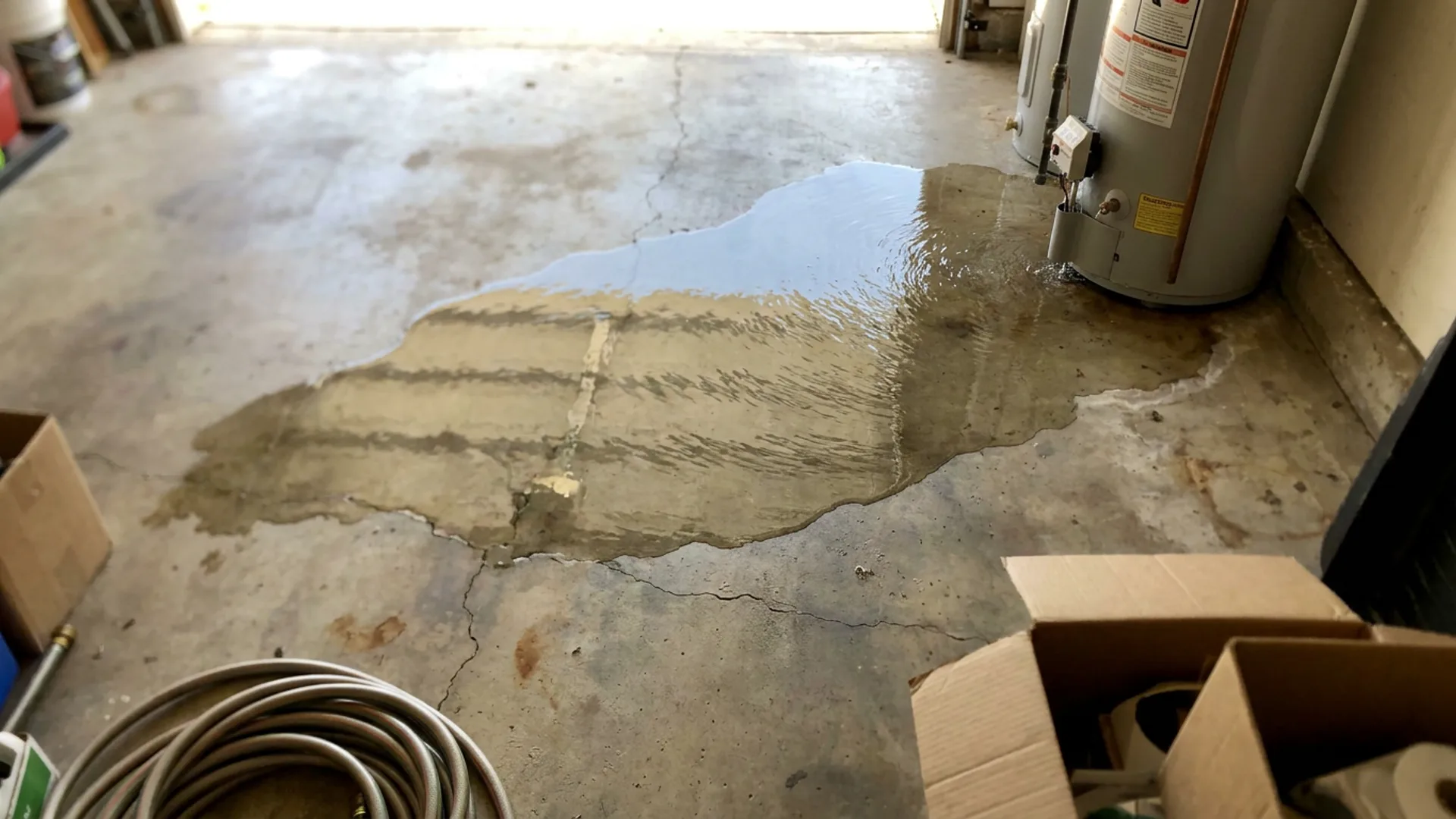
San Antonio, TX & the surrounding area
Emergency Water Heater Repair in San Antonio
Water Heater Repair San Antonio gets a licensed & insured local plumber to your doorstep, including after-hours help. If water is spreading right now, shut it off using the steps below, then call (210) 767-9170.
- Free replacement estimate
- Insured local pro
- No obligation
Free Water Heater Estimate
A no-cost estimate, with no obligation to buy
Licensed, Insured Local Plumber
We connect you with one independent San Antonio-area business
Straight Repair-or-Replace Answers
Know which one you're actually looking at before you decide
Two valves and one switch, in this order.
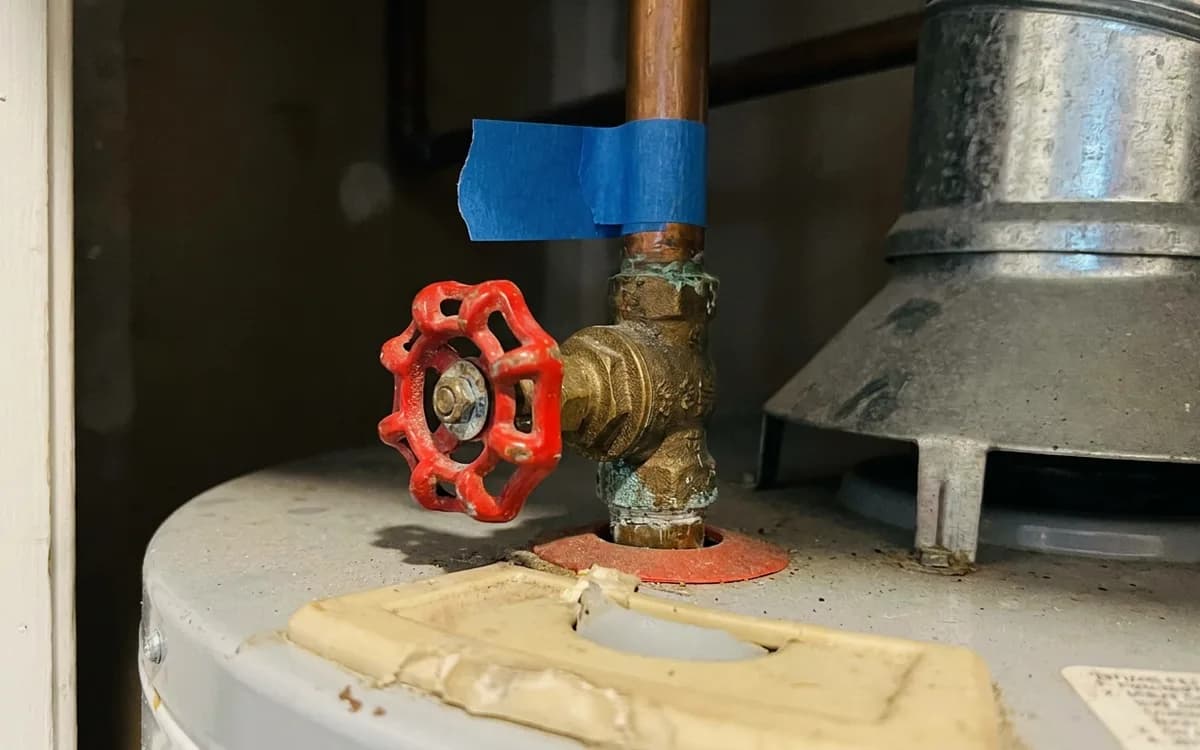
1. Close the cold water inlet. There's a shutoff valve on the pipe entering the top of the heater — usually a lever or a round handle on the cold side, on the right as you face most units. Lever: turn it a quarter turn so it sits across the pipe. Round handle: turn clockwise until it stops. That stops fresh water refilling a tank that's emptying onto your floor.
Can't find it or it won't budge? Use the main house shutoff instead. In San Antonio that's typically at the meter box near the street or on the exterior wall where the supply enters.
2. Kill the energy. Electric: flip the double breaker labeled for the water heater. Gas: turn the gas control knob on the front of the unit to OFF. This matters because a burner or element firing into a tank that's draining can damage the unit further.
3. Open a hot tap somewhere in the house. That relieves pressure and lets the line drain rather than holding hot water against the leak.
If you smell gas at any point, skip all of this and leave the house. Don't touch switches, don't flip breakers, don't call from inside. Get out and call the gas company from outside.
What counts as an emergency
Being honest about this saves you the after-hours premium.
Call tonight:
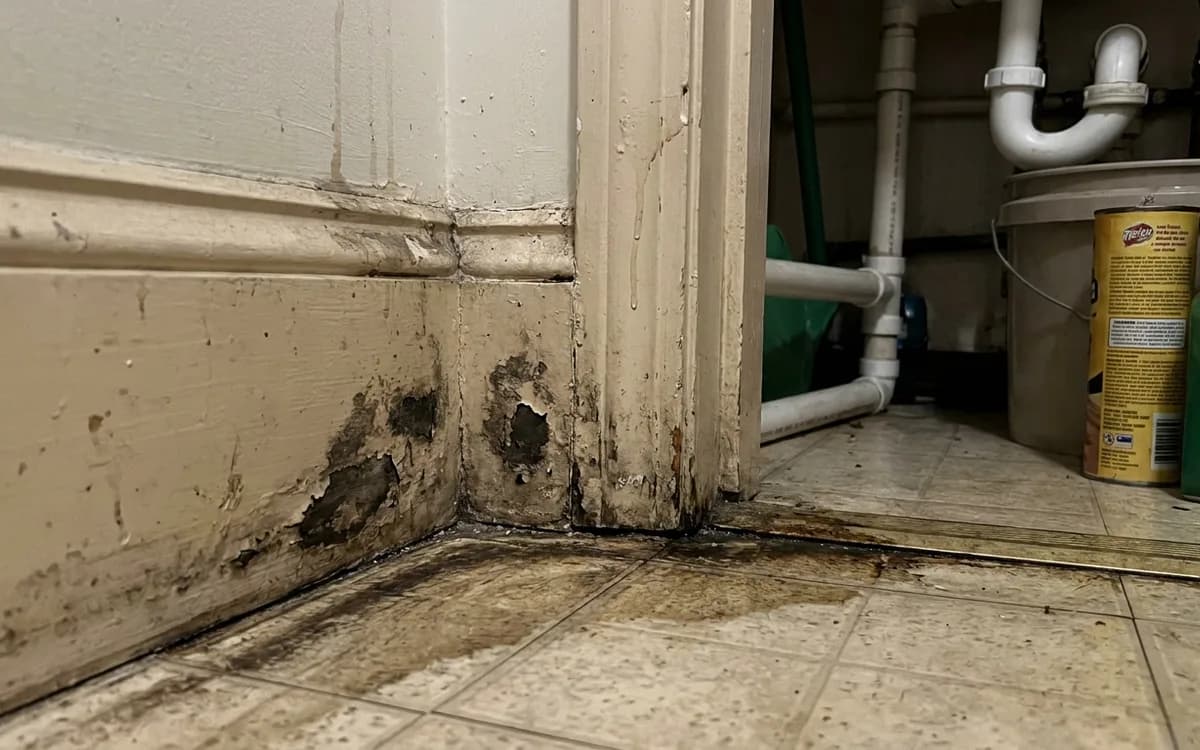
- Water actively spreading across the floor, or any water near drywall, finished flooring, or a room below
- A heater in an attic or interior closet leaking at all — the damage path is straight into the ceiling
- The T&P relief valve discharging steadily rather than the occasional expected release
- Any burning smell, scorching, or visible damage around the burner or the electrical connections
Book for the morning:
- No hot water, with nothing leaking
- A slow drip landing in a drain pan that drains
- Popping and rumbling noises, however alarming they sound
- Water that's warm but not hot
That second list is genuinely not urgent. Nothing degrades while you sleep, and morning rates are lower.
What after-hours actually costs
The repair prices don't change after dark — expect the same $298 to $788 range that covers most San Antonio water heater work. What's added is the call-out.
| Line | Typical |
|---|---|
| The repair itself | $298 – $788 |
| After-hours or weekend premium | $75 – $150 |
| Diagnostic / trip fee (if charged) | $115 – $275 |
Ask for the call-out fee on the phone before anyone is dispatched, and ask whether the diagnostic comes off the repair if you go ahead. Both are fair charges. Neither should be a surprise on the invoice.
If the tank itself has failed rather than a component, you're in replacement territory at $2,100 to $2,700 — and it's worth knowing that an emergency replacement usually means whatever unit is on the truck rather than the one you'd have chosen. That's a real argument for replacing an aging tank on your own schedule instead of waiting for it to pick the timing.
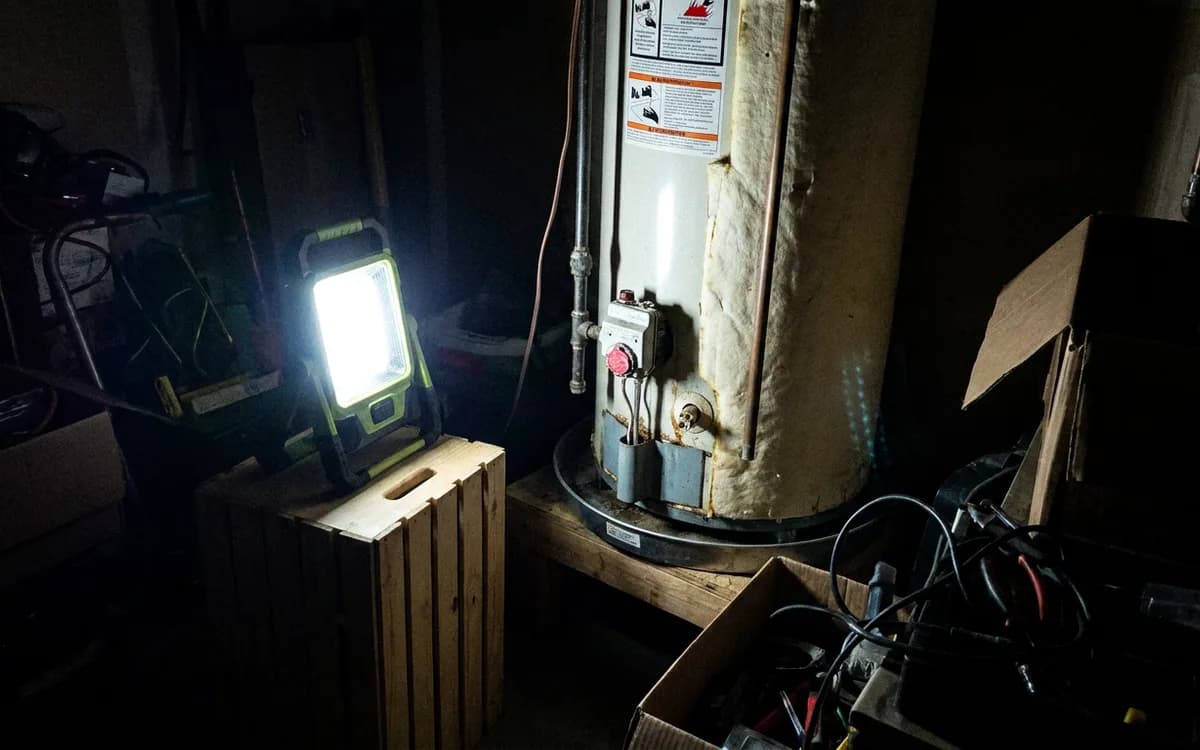
What can wait until morning
Two checks resolve a lot of "no hot water" calls, and they cost nothing.
Electric units: check the breaker first — a water heater breaker can trip without taking anything else down, so the rest of the house looking fine proves nothing. Then pop the upper access panel and look for a red reset button on the thermostat. Press it. If it trips again immediately, stop and call someone; a repeatedly tripping high-limit means a real fault.
Gas units: look through the sight glass at the base for a lit pilot. If it's out, most modern units have a printed relight sequence right on the label. If it lights and won't stay, the thermocouple is the usual culprit — that's a normal-hours repair, not an emergency.
If neither applies, you've narrowed it usefully before anyone arrives, which shortens the diagnostic and sometimes the bill.
The vocabulary worth having when you call: T&P valve is the temperature and pressure relief device on the side or top; drain pan is the tray underneath in attic and closet installs; dip tube carries cold water to the tank bottom; thermocouple proves the pilot is lit on a gas unit; and high-limit or ECO is the safety cutout behind that red reset button.
Call (210) 767-9170 — one licensed local plumber, not a call list. If it turns out to be a component rather than the tank, the repair cost guide shows what each one runs, and water heater replacement covers the swap if the tank is done.
Questions
Frequently Asked Questions
My water heater is leaking. What do I shut off first?
Water first, then the energy. Close the cold water shutoff on the pipe entering the top of the heater — turn it clockwise. Then kill the power: for electric, flip the water heater breaker; for gas, turn the gas control knob to OFF. Doing it in that order stops the flooding immediately and prevents the unit from firing on an emptying tank.
Is a leaking water heater an emergency?
If water is actively spreading, yes — not because the heater is dangerous but because water damage compounds by the hour, especially near drywall or a finished room. If it's a slow drip from the relief valve into a drain pan with somewhere to go, you can shut the water off and book a normal appointment in the morning at normal rates.
How much does emergency water heater service cost?
Expect the repair itself in the usual $298 to $788 range, plus an after-hours or weekend premium that commonly runs $75 to $150. Some plumbers also charge a diagnostic fee of $115 to $275. Ask what the call-out costs before they dispatch — a plumber who won't quote the fee over the phone is a plumber to skip.
No hot water but nothing is leaking. Is that an emergency?
Almost never. It's genuinely unpleasant, but nothing is being damaged while you wait. Check two things yourself first: on electric, the breaker and the red reset button behind the upper access panel; on gas, whether the pilot is lit. Those two checks resolve a real share of after-hours calls at no cost.
Should I turn off the water heater if I smell gas?
No — leave. Don't operate switches, don't flip breakers, don't use your phone inside. Get everyone out and call the gas company from outside the house. A gas leak is an emergency for the utility first and a plumber second.
Can a burst water heater damage my house?
A tank holds 40 to 50 gallons and the supply keeps feeding it until someone closes the valve, so yes. In a garage on a slab it's usually a mess rather than a disaster. In an attic or an interior closet above finished space, it can mean ceilings and flooring — which is exactly why code requires a drain pan and drain line in those locations.
Ready to get started?
Get connected with one local, licensed and insured plumber. A straight answer on repair or replace, a real number, and no obligation to buy.