San Antonio, TX & the surrounding area
Hard Water and Your San Antonio Water Heater
Water Heater Repair San Antonio gets a licensed & insured local plumber to your doorstep for water heater repairs, flushes, and replacements. This page explains why San Antonio's hard water causes water heaters to fail sooner than the label says. Call (210) 767-9170.
- Free replacement estimate
- Insured local pro
- No obligation
Free Water Heater Estimate
A no-cost estimate, with no obligation to buy
Licensed, Insured Local Plumber
We connect you with one independent San Antonio-area business
Straight Repair-or-Replace Answers
Know which one you're actually looking at before you decide
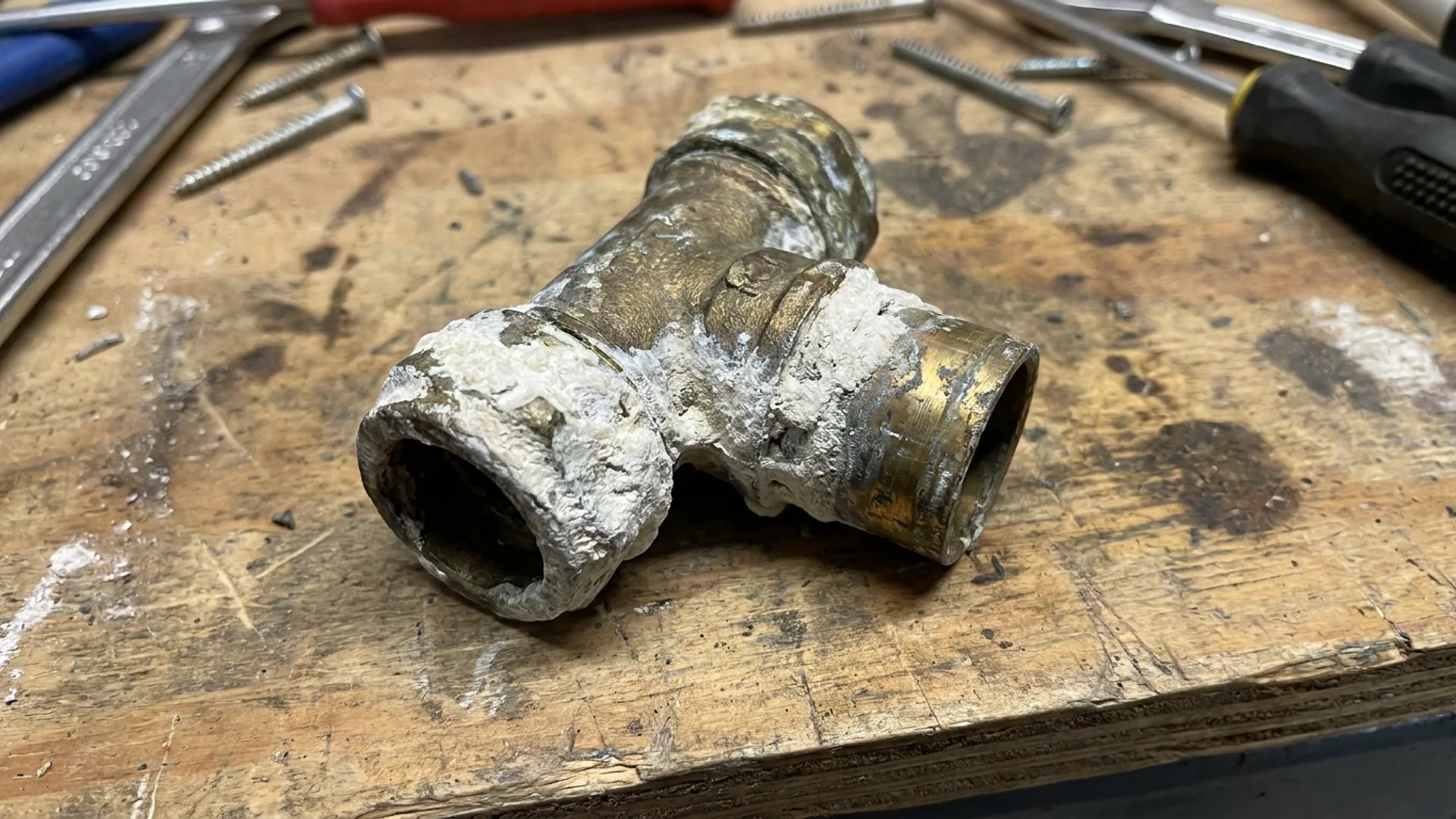
SAWS reports typical hardness of 15 to 20 grains per gallon. Water gets classified "very hard" at 10.5 gpg. San Antonio runs roughly double the point where that label starts.
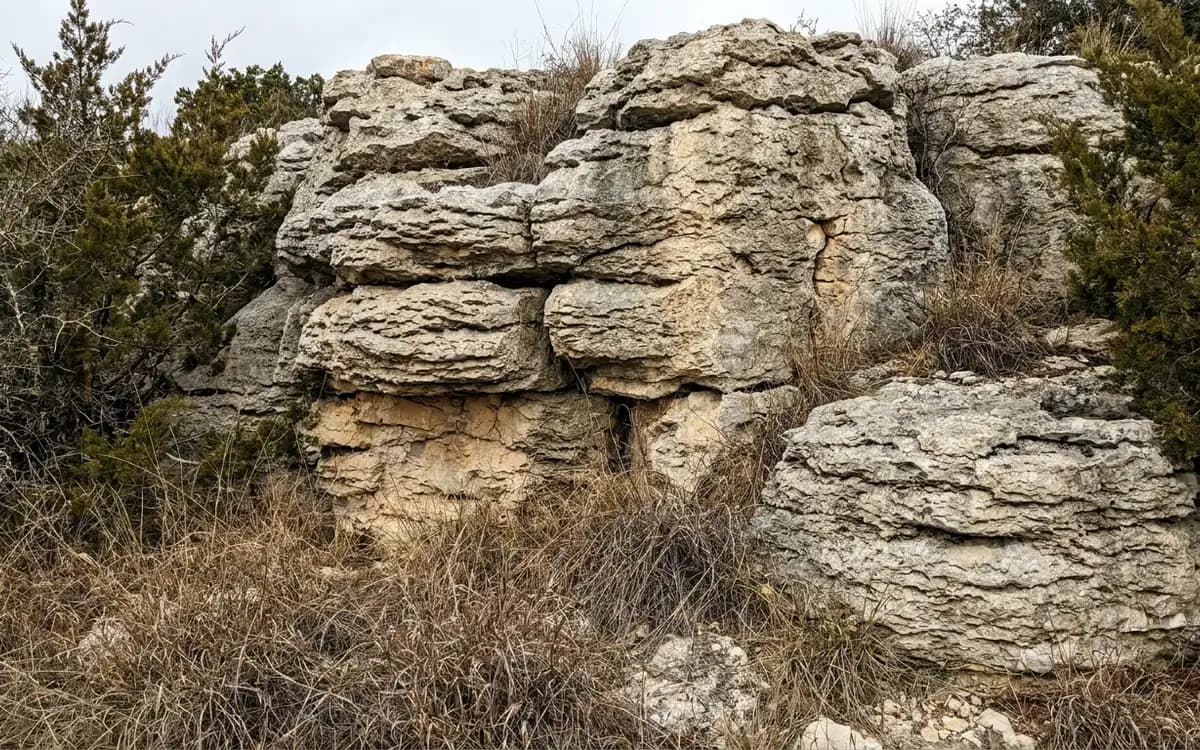
The reason is geology, not treatment. Most of our supply comes from the Edwards Aquifer, which is limestone — calcium carbonate. Water moving through it dissolves the rock and carries it to your house. It's perfectly safe to drink. It just doesn't stay dissolved when you heat it.
That's the whole mechanism. Heat drives minerals out of solution. Your water heater is the hottest place in your plumbing, so it's where the rock comes back. Every appliance in the house sees the same water, but the heater is the one that concentrates the damage.
What scale does inside the tank
Three separate failures, all from the same cause.
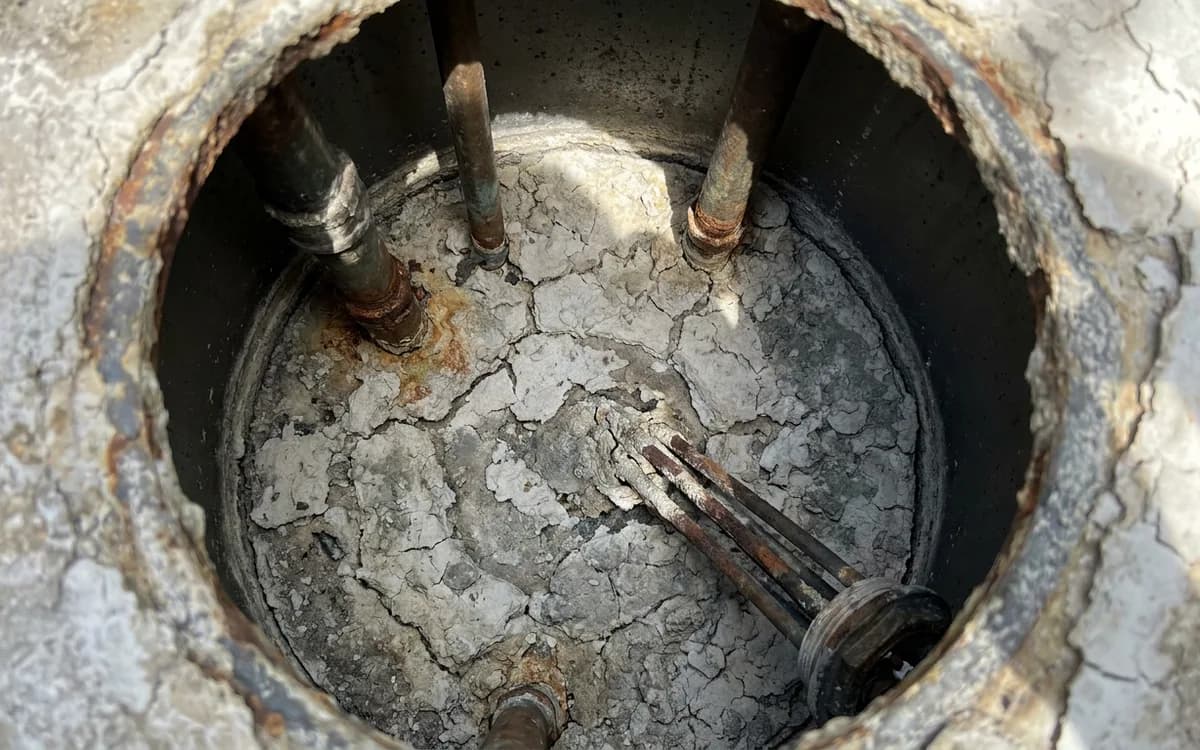
It insulates the burner from the water. In a gas tank, the flame heats the bottom of the steel and the steel heats the water. Put a half-inch of mineral crust in between and the burner has to run longer to move the same temperature. You pay for that on the gas bill every month, and the tank bottom runs hotter than designed, which stresses the glass lining.
It destroys heating elements. In an electric tank, the elements sit directly in the water. Scale plates onto them, traps heat against the metal, and the element burns out — often years before it should. It's the single most common electric water heater failure in hard-water cities.
It eats the anode rod faster. The anode is a magnesium or aluminum rod that corrodes on purpose so the steel tank doesn't. It's the reason a glass-lined tank lasts a decade instead of two years. Aggressive mineral content consumes it faster, and once it's gone the tank itself becomes the sacrificial metal. That's the failure with no repair.
So the arc is predictable: scale builds, efficiency drops, a component fails, and if nobody has looked at the anode in eight years the tank is next. Most of what shows up on the water heater repair cost page starts here.
The noises, and what they mean
People call about the sound long before they call about the water. The sounds are diagnostic.
Popping and rumbling is the classic. Water gets trapped under the hardened sediment layer, superheats, and flashes to steam that forces up through the crust. Each pop is the crust breaking. It's not dangerous on its own — it's an announcement that there's a mineral layer thick enough to trap water.
A sizzling or hissing from the burner area on a gas unit can mean condensation dripping onto the burner, which sometimes accompanies a heavily scaled tank running long cycles.
Sudden banging when a tap shuts is different — that's water hammer in the pipes, not the heater, and it's a separate fix.
If yours is popping and it has never been flushed, that's the starting point. Not a new tank.
The annual flush
This is the cheapest maintenance in your house, and it does more good than anything else on this page.
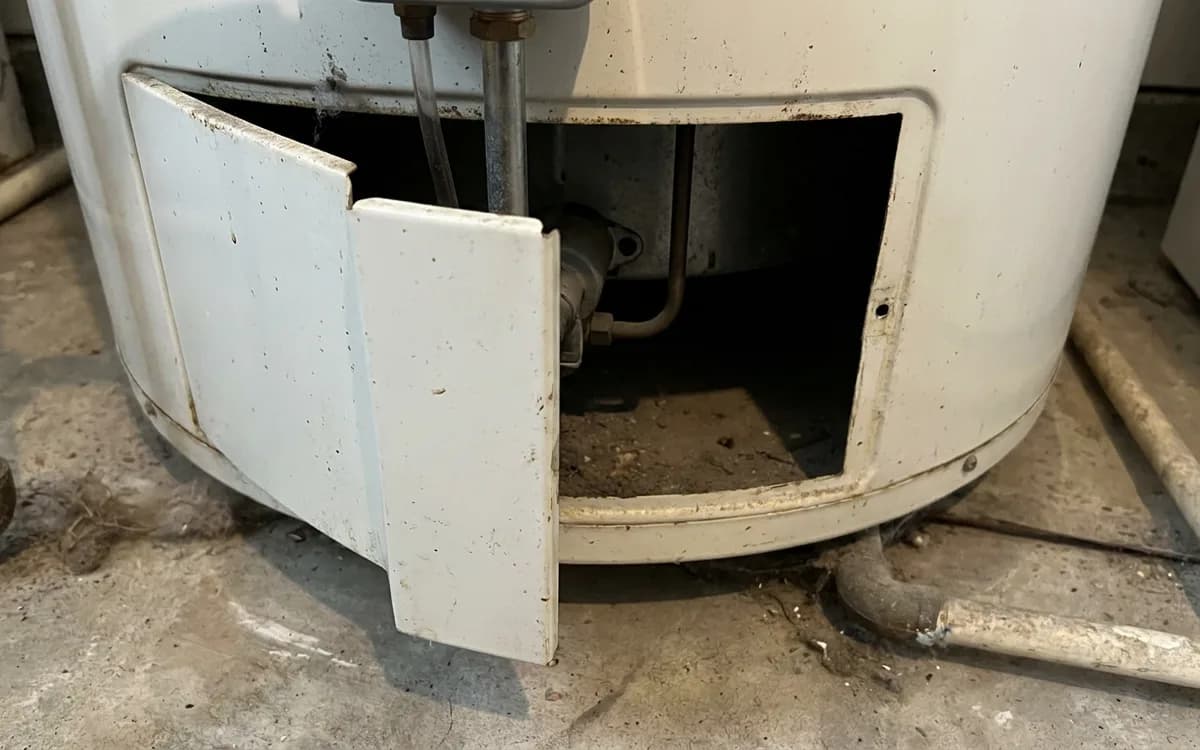
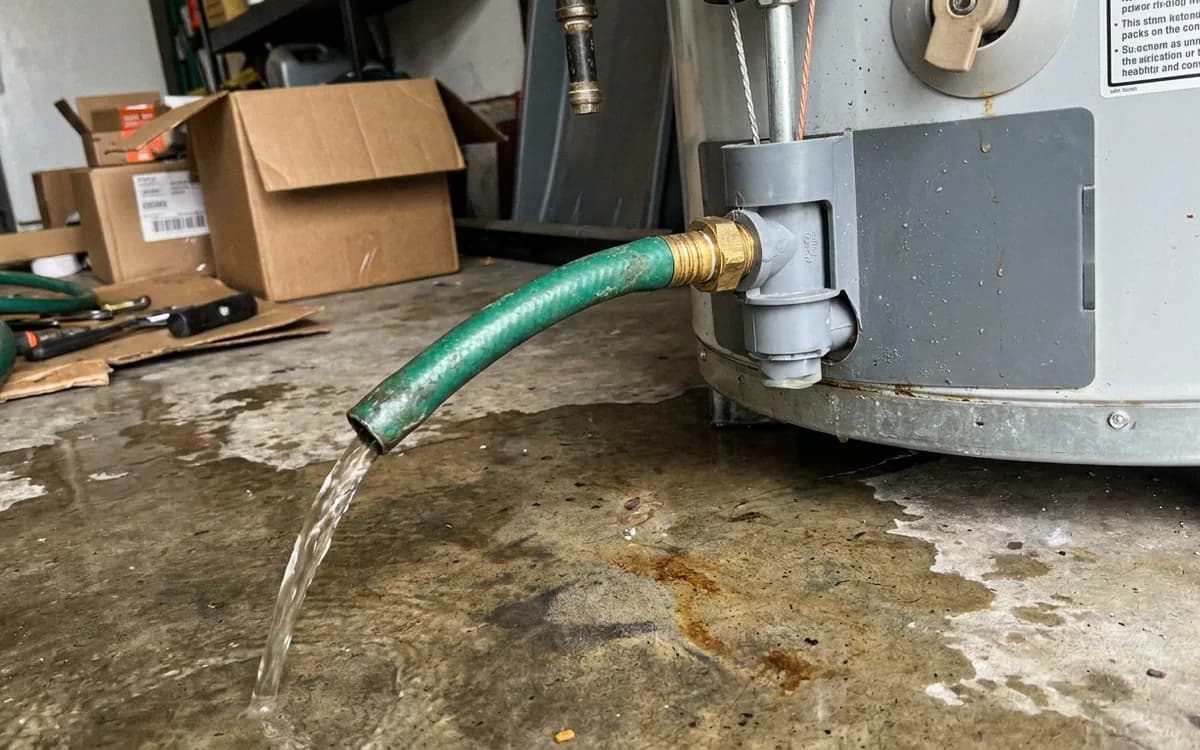
A flush drains the tank, letting accumulated sediment out with the water while the cold inlet stirs and rinses the bottom. Professionally it runs $80 to $200. Annually is the floor in water this hard; twice a year isn't excessive for an unsoftened tank.
Done consistently from the beginning, a flush is the difference between a heater that reaches twelve years and one that quits at seven. Done for the first time on a ten-year-old tank that has never had it, there's an honest risk worth naming: the drain valve sometimes won't reseat. Old plastic valves get brittle, sediment lodges in the seat, and you can finish the job with a tank you can't stop draining. That's not a reason to skip maintenance forever — it's a reason to have someone there who can replace the valve on the spot rather than discovering the problem alone on a Saturday.
While the tank is open is also the sensible time to have the anode rod checked. It's a five-minute look that tells you whether the tank has years left or months.
Should you put in a softener?
Reasonable question, and the honest answer is "it depends on how long you're staying."
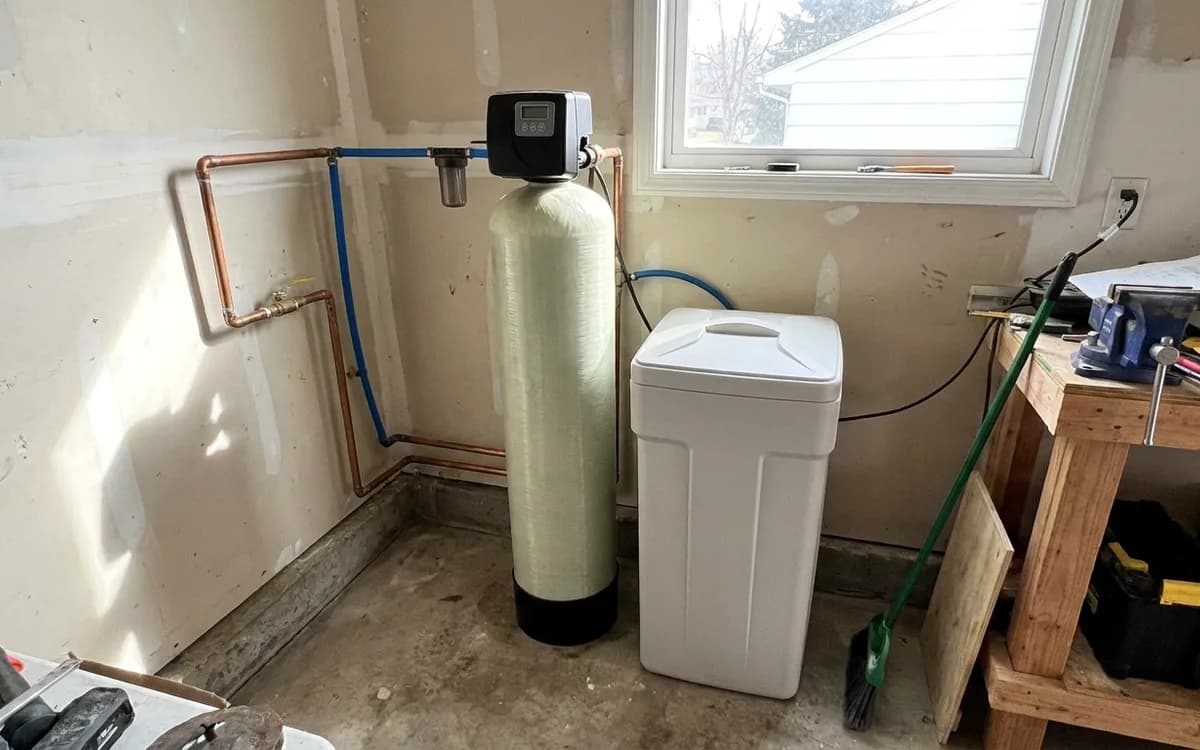
A softener exchanges calcium and magnesium for sodium, so the water reaching your heater stops depositing scale. The heater benefits, and so does everything else — faucet aerators, the dishwasher, the washing machine, shower glass, and your soap budget. In a city at 15 to 20 gpg, that's a real difference you can see.
The tradeoffs are equally real. There's the install cost, salt to buy and haul, and periodic maintenance. Some setups consume the anode rod slightly faster on softened water, which means the rod still needs checking — softening isn't a licence to ignore the tank.
If you're replacing a water heater anyway and you plan to be in the house another decade, it's worth pricing both at once while a plumber is already standing in the garage. If you're two years from moving, an annual flush gets you most of the protection for a fraction of the money.
The relevant vocabulary, so nobody can baffle you with it: grains per gallon (gpg) is the hardness unit, and 1 gpg equals about 17.1 parts per million; calcium carbonate is the specific mineral doing the depositing; scale is that mineral plated onto a hot surface, as distinct from sediment, which is what settles loose on the tank floor; the sacrificial anode corrodes preferentially to protect the tank steel; glass lining is the vitreous coating bonded to that steel; and standby loss is the energy a scaled tank wastes maintaining temperature it can no longer transfer efficiently.
Call (210) 767-9170 for a flush, an anode check, or a straight answer about whether your tank is worth keeping. If it's already past saving, water heater replacement in San Antonio has the installed numbers, and tankless water heaters covers what hard water means for on-demand units.
Questions
Frequently Asked Questions
How hard is San Antonio water?
SAWS publishes a typical hardness of 15 to 20 grains per gallon. The industry calls water 'very hard' above 10.5, so San Antonio runs roughly double that threshold. It comes from the Edwards Aquifer, which is limestone — the minerals in your water are dissolved rock, and your water heater is where they come back out of solution.
Does hard water shorten a water heater's life?
Yes, measurably. Scale insulates the burner from the water, forcing longer run times and higher tank-bottom temperatures. It bakes onto electric elements until they fail early, and it accelerates anode rod depletion, which is what stands between your tank's steel and the water. A tank rated for ten to twelve years can give out several years sooner here if it's never flushed.
Why is my water heater making a popping or rumbling noise?
Sediment. A hardened mineral layer forms on the tank floor and traps water underneath it. When that water superheats and flashes to steam, it forces its way up through the crust — the popping is the crust cracking. It isn't dangerous by itself, but it's proof the burner is heating rock instead of water.
How often should I flush my water heater in San Antonio?
Once a year, minimum. In water this hard, some plumbers suggest twice for tank units on well or unsoftened supply. It's the cheapest maintenance in the house — $80 to $200 professionally — and it's the single thing most likely to get you the full lifespan out of a unit.
Will a water softener save my water heater?
It genuinely helps, and it helps everything else on the line too — fixtures, dishwasher, washing machine. It's not free, and softened water has its own tradeoffs, including slightly faster anode rod consumption in some setups. If you're already replacing a heater and planning to stay in the house, it's a reasonable conversation to have with the plumber standing there.
Can I flush the water heater myself?
Many homeowners can. Shut off the power or gas, connect a hose to the drain valve, run it to a safe drain, and let the tank empty while the cold inlet flushes it. The honest caution: on an old tank that has never been flushed, the drain valve sometimes will not reseat afterward, and you have turned a maintenance task into an emergency. If yours is a decade old and untouched, let someone do it who can fix that outcome.
Ready to get started?
Get connected with one local, licensed and insured plumber. A straight answer on repair or replace, a real number, and no obligation to buy.